
Multifamily
Apartments - Multi-Family
10920 -10930 S Vernon Ave, Chicago, IL 60628
Listing Price: $1,800,000
Investment Overview
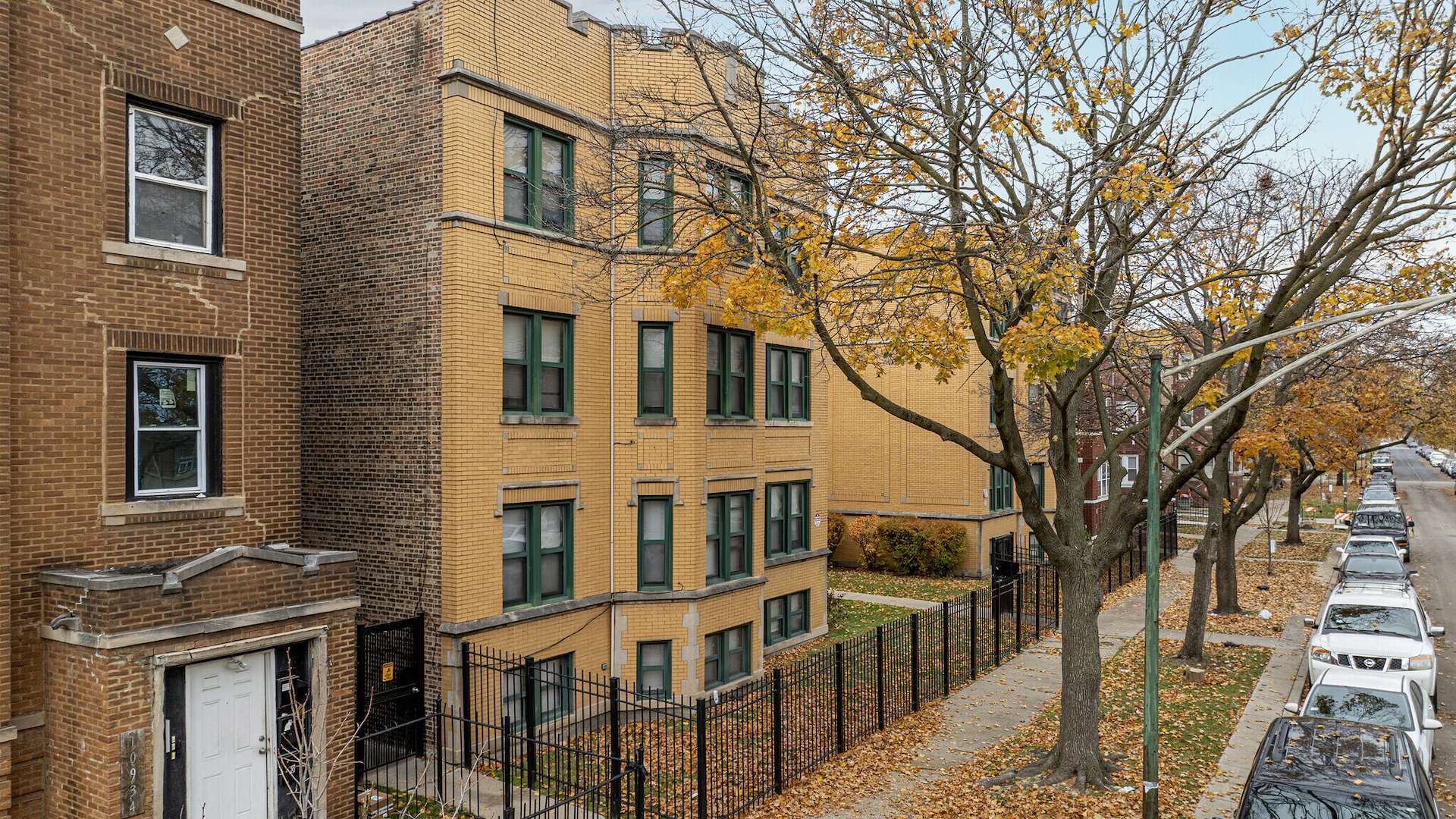
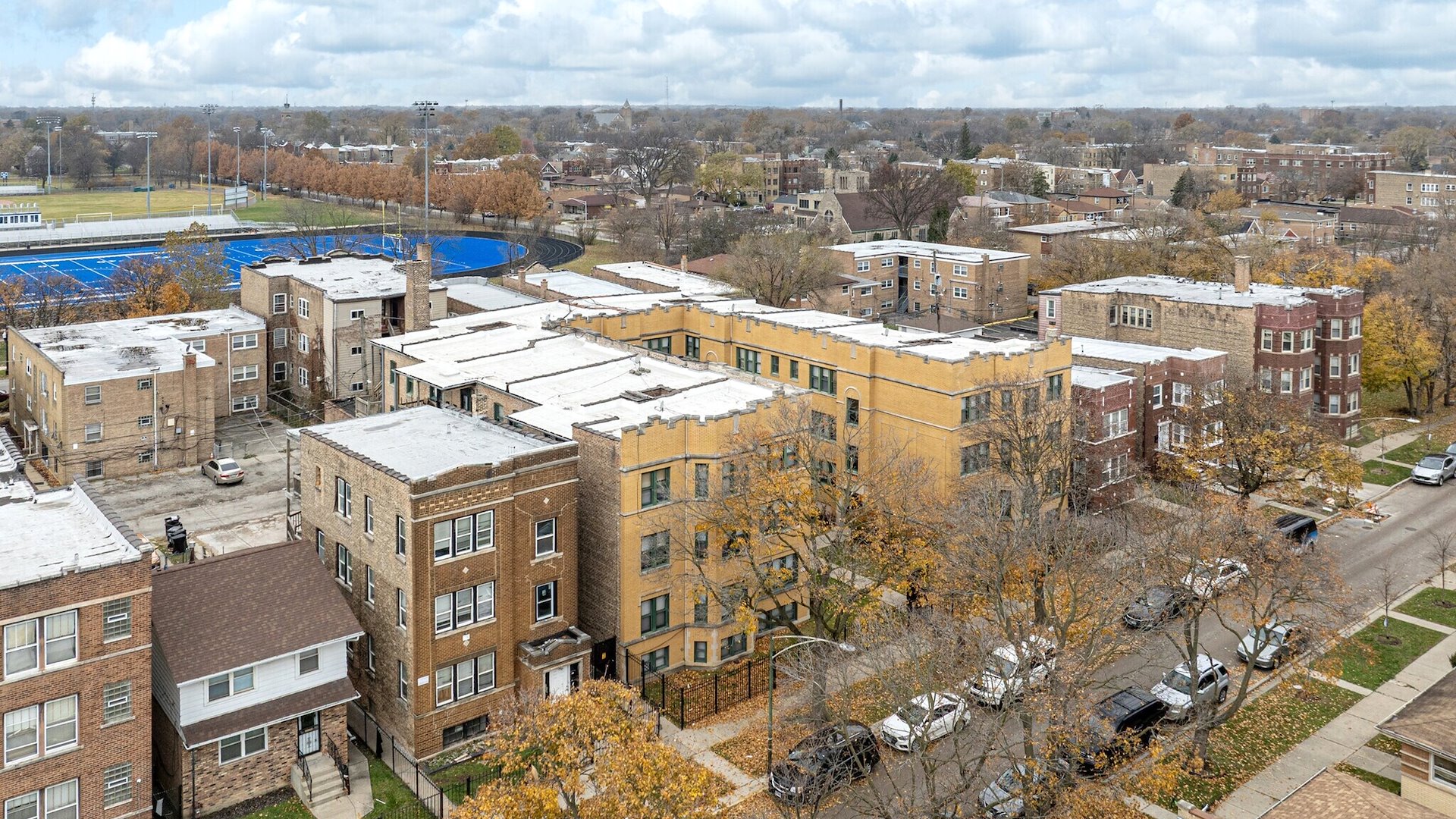
Marcus & Millichap is pleased to present this multi-family investment opportunity in the Historic Pullman neighborhood of Chicago. The subject property, located at 10920-10930 S. Vernon Avenue in Chicago, Illinois, is situated approximately 15.6 miles south of Chicago’s Downtown Loop, 1.3 miles south of the Bishop Ford Freeway and Dan Ryan Expressway interchange, and 0.3 miles north of the Metra Electric 111th Street train station.
The subject property features a well-balanced unit mix comprising twenty-two one-bedroom, one-bathroom units averaging approximately 650 square feet, along with eight one-bedroom, one-bathroom units with a den, each measuring approximately 725 square feet. Additionally, the property includes one one-bedroom, one-bathroom garden unit encompassing approximately 650 square feet. Over the past 10 years the property has received numerous capital improvements including: new silicone roof system, laundry room, boiler, hot water heater, and units have been rehabbed. In addition, the hallways have been carpeted.
The neighborhood of Pullman is a National Historic Landmark District that we first being developed back in the early 1880's. George Pullman, the designer of this neighborhood, built this around his rail-car factory with a vision of having a "town within a city".
Today, the neighborhood is known for its distinctive brick rowhouses, tree-lined streets, and cohesive urban design, much of which has been preserved through landmark protections and historic district status.
The area surrounding Vernon Avenue benefits from Pullman’s designation as a National Monument and later as a National Historical Park, which has elevated the neighborhood’s profile and spurred renewed public and private investment. This recognition has brought increased tourism, infrastructure improvements, and preservation funding, reinforcing Pullman’s role as both a cultural destination and a stable residential community. The historic core of Pullman remains largely intact, offering a unique blend of affordability and architectural character that is increasingly rare within Chicago.
Over the past decade, Pullman has undergone meaningful revitalization driven by large-scale economic development initiatives and community-focused planning. Major investments in nearby Pullman Park, a former industrial site, have attracted distribution, manufacturing, and food production users, creating thousands of jobs and injecting new economic activity into the Far South Side. These employment centers have strengthened the local economy and supported demand for housing and neighborhood services.
Residential revitalization has also played a key role in the area’s resurgence. Ongoing rehabilitation of historic homes, adaptive reuse of former institutional buildings, and the introduction of new affordable and mixed-income housing have helped stabilize the neighborhood and encourage long-term residency. Projects that blend preservation with modern living have reinforced Pullman’s identity while addressing contemporary housing needs.
Retail and community amenities have expanded alongside this growth, with new shopping, dining, and service options emerging in and around Pullman and neighboring communities such as Roseland. These additions have improved daily convenience for residents and reduced the need to travel outside the area for essential goods and services. Community centers, parks, and cultural institutions further enhance quality of life and strengthen neighborhood cohesion.
Apartments - Multi-Family
Investment Highlights
- Walking Distance to Metra Station
- Located in Historic Pullman Neighborhood (Location of the Pullman National Monument)
- Continued Neighborhood Revitalization – Ongoing Large-Scale Economic Development Initiative
- Numerous Capital Improvements: New Silicone Roof System, Laundry Room, Boiler, Hot Water Heater
- Strong Historical Occupancy
- Rental Upside to Grow Investor Return
Exclusively Listed By
Listing Price: $1,800,000
Investment Highlights
- Walking Distance to Metra Station
- Located in Historic Pullman Neighborhood (Location of the Pullman National Monument)
- Continued Neighborhood Revitalization – Ongoing Large-Scale Economic Development Initiative
- Numerous Capital Improvements: New Silicone Roof System, Laundry Room, Boiler, Hot Water Heater
- Strong Historical Occupancy
- Rental Upside to Grow Investor Return
Investment Overview
Marcus & Millichap is pleased to present this multi-family investment opportunity in the Historic Pullman neighborhood of Chicago. The subject property, located at 10920-10930 S. Vernon Avenue in Chicago, Illinois, is situated approximately 15.6 miles south of Chicago’s Downtown Loop, 1.3 miles south of the Bishop Ford Freeway and Dan Ryan Expressway interchange, and 0.3 miles north of the Metra Electric 111th Street train station. The subject property features a well-balanced unit mix comprising twenty-two one-bedroom, one-bathroom units averaging approximately 650 square feet, along with eight one-bedroom, one-bathroom units with a den, each measuring approximately 725 square feet. Additionally, the property includes one one-bedroom, one-bathroom garden unit encompassing approximately 650 square feet. Over the past 10 years the property has received numerous capital improvements including: new silicone roof system, laundry room, boiler, hot water heater, and units have been rehabbed. In addition, the hallways have been carpeted. The neighborhood of Pullman is a National Historic Landmark District that we first being developed back in the early 1880's. George Pullman, the designer of this neighborhood, built this around his rail-car factory with a vision of having a "town within a city". Today, the neighborhood is known for its distinctive brick rowhouses, tree-lined streets, and cohesive urban design, much of which has been preserved through landmark protections and historic district status. The area surrounding Vernon Avenue benefits from Pullman’s designation as a National Monument and later as a National Historical Park, which has elevated the neighborhood’s profile and spurred renewed public and private investment. This recognition has brought increased tourism, infrastructure improvements, and preservation funding, reinforcing Pullman’s role as both a cultural destination and a stable residential community. The historic core of Pullman remains largely intact, offering a unique blend of affordability and architectural character that is increasingly rare within Chicago. Over the past decade, Pullman has undergone meaningful revitalization driven by large-scale economic development initiatives and community-focused planning. Major investments in nearby Pullman Park, a former industrial site, have attracted distribution, manufacturing, and food production users, creating thousands of jobs and injecting new economic activity into the Far South Side. These employment centers have strengthened the local economy and supported demand for housing and neighborhood services. Residential revitalization has also played a key role in the area’s resurgence. Ongoing rehabilitation of historic homes, adaptive reuse of former institutional buildings, and the introduction of new affordable and mixed-income housing have helped stabilize the neighborhood and encourage long-term residency. Projects that blend preservation with modern living have reinforced Pullman’s identity while addressing contemporary housing needs. Retail and community amenities have expanded alongside this growth, with new shopping, dining, and service options emerging in and around Pullman and neighboring communities such as Roseland. These additions have improved daily convenience for residents and reduced the need to travel outside the area for essential goods and services. Community centers, parks, and cultural institutions further enhance quality of life and strengthen neighborhood cohesion.
Exclusively Listed By



To view property details and documents, sign up for a free MyMMI account.
Explore exclusive listings, access research insights, and set up automated alerts for a personalized experience. Sign up now to elevate your property search.
